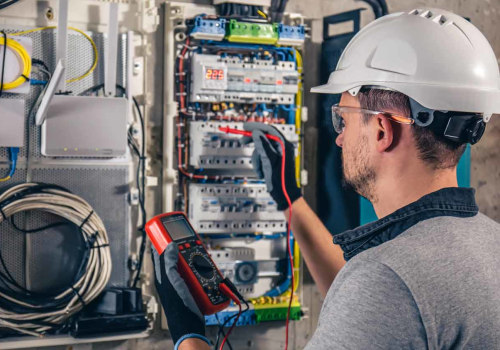
When planning a move, most people focus on packing, scheduling, and transportation, but aging electrical wiring can quietly disrupt everything. Older wiring systems often struggle to support modern electrical demands, and these weaknesses tend to surface at the worst possible time—during inspections, renovations, or final walkthroughs. If electrical issues are discovered late in the moving process, they can delay occupancy, halt renovations, or even stop a move entirely until repairs are completed.
Why Aging Wiring Becomes a Problem
Homes built decades ago were not designed to handle today’s appliances, electronics, and climate-control systems. Outdated wiring materials, overloaded circuits, and undersized electrical panels can create safety concerns that inspectors are trained to flag immediately. Signs such as flickering lights, warm outlets, tripping breakers, or ungrounded plugs often indicate deeper issues. When these problems are identified close to moving day, they may require urgent electrical work that disrupts carefully planned timelines.
Inspection Delays and Compliance Issues
One of the most common ways aging wiring slows a move is through failed inspections. Buyers, landlords, or local authorities may require electrical systems to meet current safety standards before approving occupancy. If wiring issues are discovered during a pre-move inspection, repairs must be completed before keys are released or utilities are activated. This can delay closing dates, extend temporary housing arrangements, or force movers to reschedule. Even a short delay can create a ripple effect across the entire moving plan.
Renovation Conflicts and Unexpected Downtime
Many homeowners plan renovations before or immediately after a move. Aging wiring can bring these projects to a sudden stop. Contractors may refuse to proceed until electrical systems are updated, especially if walls or ceilings are being opened. This can leave homeowners stuck between move-out and move-in dates, with belongings packed but nowhere to go. Addressing wiring issues early prevents renovation delays that interfere with relocation schedules.
Safety Risks on Moving Day
Moving day itself places unusual stress on electrical systems. Increased lighting use, power tools, temporary equipment, and frequent outlet usage can overload aging wiring. This raises the risk of blown circuits, power loss, or even electrical hazards while movers are working. A sudden loss of power can stop progress, affect elevator access in multi-unit buildings, or create unsafe conditions. Experienced teams like Mountain Movers rely on stable, functional environments to work efficiently and safely.
Utility Activation and Service Delays
Utility companies may refuse to activate service in a property with known electrical deficiencies. If aging wiring is flagged during activation, homeowners may be required to upgrade panels or wiring before power is turned on. Without electricity, move-in becomes impractical—refrigeration, lighting, internet installation, and climate control are all affected. These delays can extend for days or weeks depending on contractor availability.
Financial Impact of Last-Minute Electrical Repairs
Emergency electrical repairs are often more expensive than planned upgrades. Rush fees, after-hours work, and limited contractor availability can significantly increase costs. In addition, unexpected delays may lead to storage fees, hotel stays, or penalties for rescheduling movers. Proactively addressing wiring issues before the move helps homeowners control costs and avoid financial strain during an already expensive transition.
Planning Ahead to Keep the Move on Track
The best way to prevent electrical issues from stopping a move is early assessment. Scheduling an electrical inspection weeks or months before moving day allows time for upgrades without pressure. Even minor improvements—such as replacing outlets, upgrading panels, or redistributing loads—can eliminate major obstacles later. Planning ahead turns electrical systems into a non-issue rather than a last-minute crisis.
Protecting Timelines and Peace of Mind
Aging wiring may be hidden behind walls, but its impact on a move can be very visible. From failed inspections to power loss and safety risks, outdated electrical systems can derail even the most organized relocation. Addressing these issues early protects timelines, budgets, and peace of mind. A smooth move depends not just on logistics, but on the unseen systems that support the home itself.