Clean homes are often associated with comfort and appearance, but they also play a crucial role in protecting electrical systems and reducing fire risks. Electrical fires frequently begin not from faulty wiring alone, but from the buildup of dust, lint, grease, and debris around outlets, wiring, appliances, and electrical panels. These materials are highly flammable and can ignite when exposed to heat, sparks, or overloaded circuits. In homes where regular deep cleaning is neglected, combustible buildup quietly increases the likelihood of electrical malfunctions turning into devastating fires.
Dust, Lint, and the Fire Triangle
Dust and lint are two of the most overlooked contributors to electrical fire hazards. These fine particles collect inside outlets, behind appliances, around extension cords, and near breaker panels. When electrical currents pass through components that are surrounded by dry dust or fabric fibers, heat has an immediate fuel source. Clothes dryers represent one of the most dangerous combinations, where lint buildup near heating elements and motors creates a perfect environment for ignition. Consistent cleaning removes these ignition materials before they can combine with heat and electrical energy to form the classic fire triangle.
Grease Buildup and Kitchen Electrical Hazards
The kitchen is another high-risk area where cleanliness directly affects fire safety. Grease vapors from cooking settle onto walls, cabinets, outlets, range hoods, and appliance wiring over time. Unlike dry dust, grease is sticky and traps additional debris, forming a thick flammable coating. When heat from stoves, ovens, or small appliances interacts with this buildup, the risk of ignition increases significantly. Proper cleaning of kitchen surfaces, vents, and appliance exteriors breaks this dangerous accumulation cycle and keeps electrical components operating in a safer environment.
Appliance Ventilation and Electrical Load Protection
Modern appliances rely on clean ventilation to regulate temperature and electrical load. Refrigerators, microwaves, washers, dryers, and HVAC components all produce heat that must escape efficiently. When vents are blocked by dust and debris, internal temperatures rise, placing extra strain on motors, wiring, and electrical connections. This stress increases the likelihood of short circuits, overheating, and component failure. Clean homes allow appliances to “breathe” properly, maintaining safer operating temperatures and reducing long-term electrical stress that often leads to fire hazards.
Professional Cleaning as a Preventive Safety Measure
While routine home cleaning helps reduce surface dust, professional cleaning reaches critical areas most homeowners overlook. Behind appliances, inside vents, around electrical panels, and within tight corners where debris accumulates unnoticed, professional equipment and techniques remove fire-triggering materials at their source. Services such as Freedom Cleaning apply detailed methods that go far beyond cosmetic cleaning, targeting high-risk zones where electrical fires most commonly begin. This level of care transforms cleaning from a visual routine into an active safety measure.
Electrical Panels, Outlets, and Hidden Risks
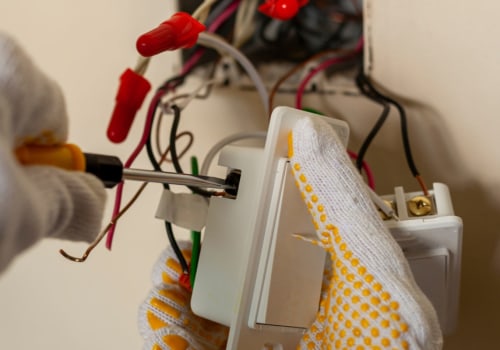
Electrical panels and outlet systems are particularly vulnerable to contamination. Dust entering breaker boxes can interfere with proper connections, while moisture combined with debris can lead to corrosion and arcing. Outlets clogged with debris may overheat under normal use. Clean environments reduce the presence of airborne particles that migrate into these sensitive electrical components. This not only lowers fire risk but also supports more reliable power delivery and fewer electrical failures throughout the home.
Reduced Fire Load and Safer Emergency Outcomes
Homes that are consistently clean carry a lower overall “fire load,” meaning there is less combustible material available if a fire does start. This can significantly slow fire spread, giving occupants more time to respond and emergency services a better chance of containment. Clutter-free spaces also ensure that electrical cords are properly visible, not crushed under furniture, and not tangled with flammable materials like rugs, paper, or fabrics that can quickly ignite.
Long-Term Protection Through Consistent Cleanliness
The relationship between cleanliness and electrical safety is not a one-time benefit but a long-term protective strategy. Regular cleaning reduces the continuous accumulation of flammable debris, preserves safe operating temperatures for appliances, and protects sensitive electrical systems from contamination and corrosion. Over time, this proactive approach lowers the risk of sudden electrical failures, reduces costly repairs, and significantly improves household fire safety.
A Simple Habit With Life-Saving Impact
Clean homes do far more than look good—they quietly protect the systems that power daily life. By removing the fuel that feeds electrical fires, maintaining proper ventilation, and keeping wiring environments free of contaminants, consistent cleaning becomes a powerful layer of fire prevention. When cleanliness is treated as both an aesthetic and safety priority, homeowners invest not only in comfort, but also in the long-term protection of their property and the lives within it.