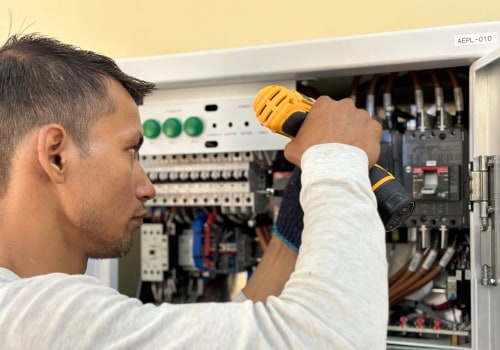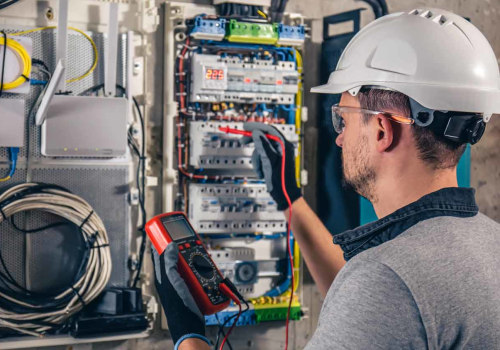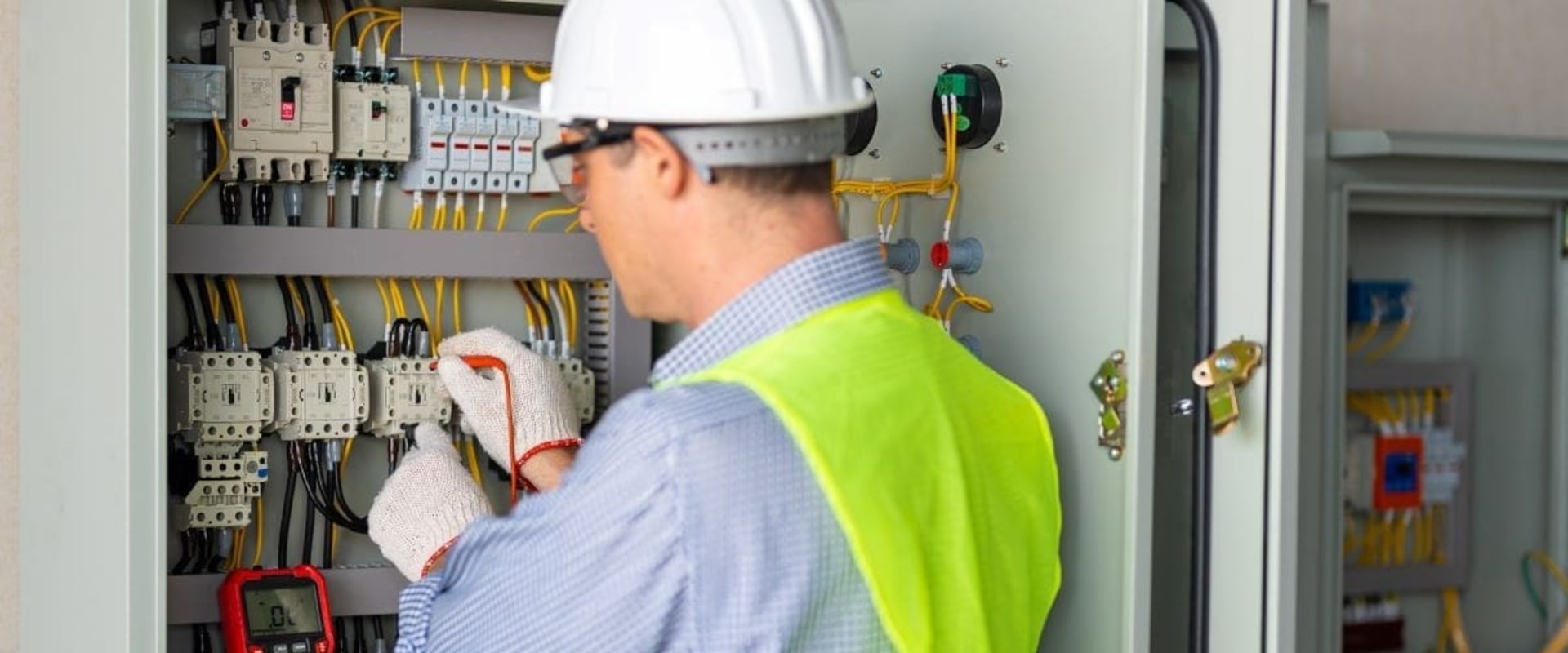
Residential electricians play a critical role in ensuring that homes operate safely and efficiently. From installing wiring systems in new construction to upgrading outdated panels in older properties, their expertise supports the functionality of every electrical component within a household. One of the most essential yet often overlooked aspects of their work is proper grounding. Grounding provides a safe path for excess electrical current to travel into the earth in the event of a fault, preventing dangerous shocks, fires, and equipment damage. Without effective grounding, even minor electrical irregularities can escalate into serious safety hazards that compromise both property and personal well-being.
Why Proper Grounding Matters
Proper grounding acts as a protective safeguard against electrical surges and faults. When an appliance or circuit experiences a short circuit, grounding directs excess current away from the system, minimizing the risk of overheating and fire. Grounding also stabilizes voltage levels, ensuring consistent performance of sensitive electronics and household appliances. In homes with modern technology—such as smart devices, advanced HVAC systems, and computerized kitchen equipment—stable voltage is crucial. Inadequate grounding can result in flickering lights, tripped breakers, and gradual damage to expensive appliances. Over time, these electrical inconsistencies may lead homeowners to seek high-end appliance repair, when the root cause is actually a grounding deficiency within the home’s wiring system.
Upgrading Older Electrical Systems
Many older homes were built with electrical systems that do not meet current safety standards. Two-prong outlets, outdated breaker panels, and insufficient grounding systems are common in properties constructed decades ago. Residential electricians assess these systems and recommend upgrades that align with modern codes and energy demands. Installing grounded three-prong outlets, grounding rods, and bonding systems enhances overall safety and performance. In some cases, rewiring sections of the home may be necessary to ensure that grounding pathways are continuous and effective. These upgrades not only reduce the risk of electrical accidents but also protect the longevity of modern appliances and electronics.
Grounding and Surge Protection
Grounding works hand in hand with surge protection devices to safeguard homes from voltage spikes caused by lightning strikes or power grid fluctuations. Whole-house surge protectors, when properly grounded, help absorb and redirect excess voltage before it reaches critical systems. Residential electricians carefully evaluate panel capacity and grounding integrity to ensure these protective measures function correctly. Without proper grounding, surge protectors cannot operate effectively, leaving appliances and electronic devices vulnerable to damage. This proactive approach minimizes costly repairs and helps maintain consistent performance across all electrical systems in the home.
Ensuring Long-Term Safety and Efficiency
The importance of proper grounding extends beyond immediate safety concerns. A well-grounded electrical system contributes to long-term energy efficiency and reliability. Stable electrical flow reduces strain on motors, compressors, and heating elements within appliances. It also supports smoother operation of lighting systems and prevents erratic behavior in smart home devices. Routine inspections by qualified residential electricians help identify loose connections, corroded grounding wires, or outdated components before they cause significant issues.
Ultimately, residential electricians serve as guardians of household electrical integrity. Proper grounding is not simply a technical requirement—it is a foundational element of home safety and appliance protection. By investing in professional electrical assessments and ensuring grounding systems meet current standards, homeowners create a secure environment that supports both modern technology and everyday comfort. Thoughtful electrical maintenance today prevents costly complications tomorrow, preserving the value and safety of the home for years to come.