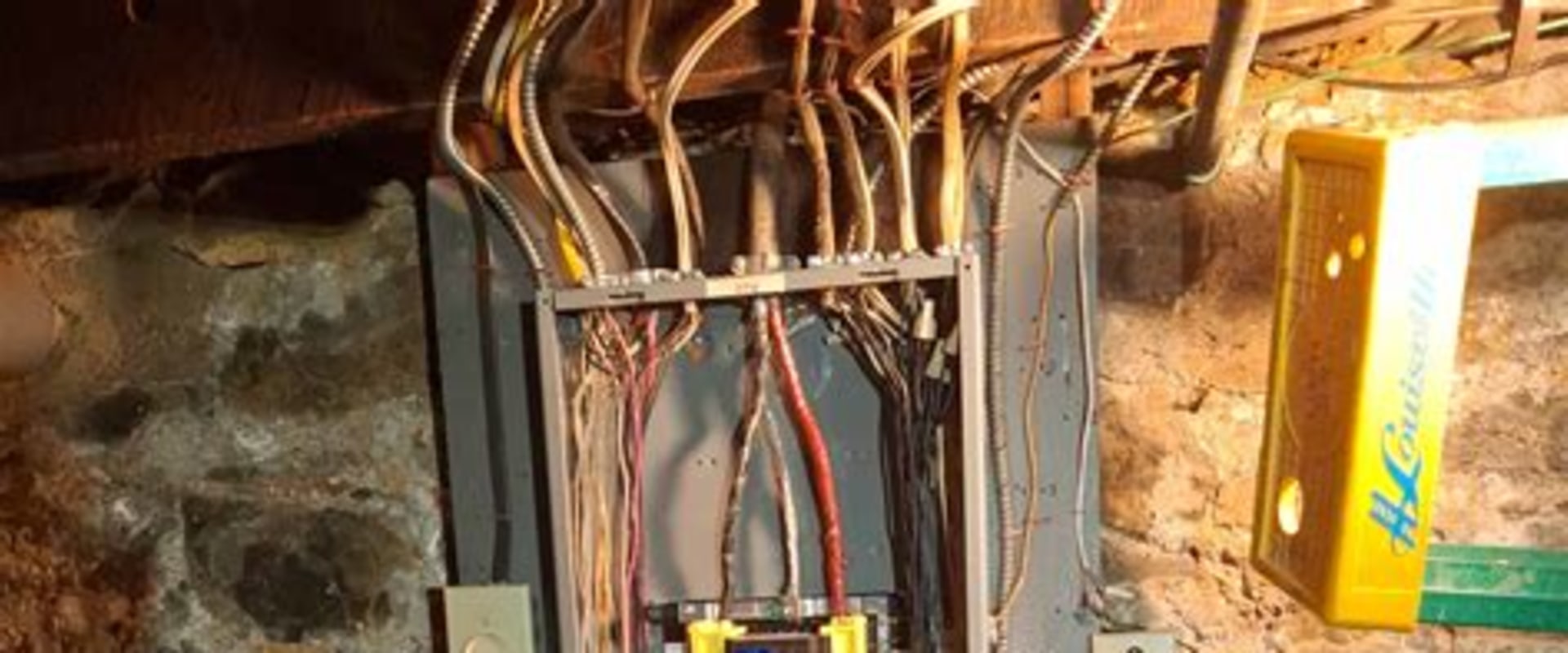
Older homes often carry a level of character and craftsmanship that many homeowners appreciate, but behind the charm are structural and mechanical challenges that can complicate renovation and electrical upgrade projects. One of the most overlooked issues involves the connection between aging roofing systems and the installation of modern electrical components. In many older properties, electrical wiring runs through attic spaces, ceiling cavities, and wall systems that may already be affected by long-term roofing problems. Moisture intrusion, poor ventilation, weakened framing, and deteriorated insulation can all create difficult working conditions for electricians attempting to safely upgrade or replace outdated electrical systems. These hidden complications often increase labor requirements and create safety concerns that may not be obvious during the initial planning stages of a renovation.
Roofing Problems Often Remain Hidden for Years
Many older homes have experienced decades of seasonal weather exposure, temporary repairs, and gradual material deterioration. Roof leaks are not always immediately visible inside living spaces, especially when water enters attic areas slowly over time. As moisture accumulates, it may weaken wood framing, damage insulation, and create mold or mildew inside concealed spaces where electrical systems are located. Electricians working in these environments often encounter damp conditions around wiring routes, outdated junction boxes, or corroded components hidden behind walls and ceilings. Roofing professionals understand that unresolved roof damage can quietly affect multiple systems inside the property, not just the roof itself. Companies like A1 Roofing Services recognize that maintaining a properly sealed and ventilated roofing system plays an important role in protecting electrical infrastructure within older homes.
Moisture and Electrical Systems Create Serious Risks
Water intrusion caused by roofing problems presents one of the biggest concerns during electrical installations. Moisture exposure can compromise wire insulation, damage connectors, and increase the likelihood of short circuits or electrical failures over time. In older homes, where original wiring may already be outdated or overloaded, these risks become even more significant. Electricians often need to inspect attic conditions carefully before beginning installation work because hidden moisture may have already weakened structural supports or affected nearby electrical components. Damp insulation surrounding wiring can also trap moisture against cables and fixtures, increasing long-term deterioration risks if not properly addressed before upgrades are completed.
Structural Limitations Complicate Modern Installations
Installing modern electrical systems in older homes can already be difficult due to limited wall access, outdated layouts, and aging construction materials. Roofing problems often make these challenges even more complicated. Water-damaged rafters, sagging roof decking, or weakened attic flooring may create unsafe working conditions for electricians navigating confined spaces. In some cases, roofing deterioration affects the stability of areas where electrical panels, recessed lighting, or ventilation systems need to be installed. Contractors may need to coordinate roofing repairs before certain electrical upgrades can safely proceed. This overlap between roofing and electrical work is especially common during major renovations where multiple systems are being modernized at the same time.
Poor Ventilation Increases Long-Term Electrical Stress
Older homes with roofing problems frequently suffer from poor attic ventilation, which can create excessive heat and humidity inside upper levels of the property. These conditions place additional stress on electrical systems, especially during warmer months when attic temperatures rise significantly. Heat buildup may shorten the lifespan of wiring insulation and increase wear on electrical components installed in attic spaces. Electricians often pay close attention to airflow conditions because proper ventilation helps maintain safer temperatures and reduces moisture accumulation near electrical infrastructure. Without addressing roofing and ventilation concerns together, newly installed electrical systems may continue facing preventable environmental stress long after the renovation is complete.
Coordinated Repairs Help Protect Older Homes
Successfully upgrading electrical systems in older homes often requires coordination between electricians, roofing professionals, and renovation contractors. Addressing roof leaks, ventilation issues, and structural weaknesses before completing electrical work helps create safer conditions and supports longer-lasting results. Preventive roof maintenance also reduces the likelihood of future moisture intrusion damaging newly installed wiring or fixtures. By understanding the relationship between roofing conditions and electrical safety, homeowners can make more informed decisions when restoring older properties. Proper planning allows both systems to work together more effectively while preserving the safety, functionality, and long-term value of the home.