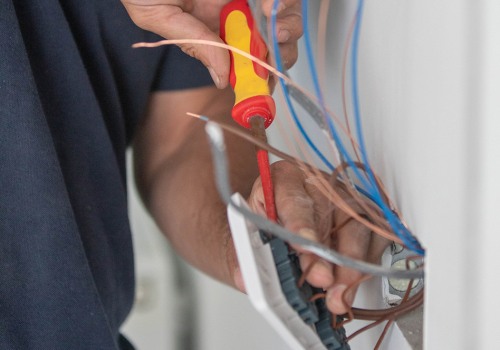
Residential electricians have traditionally been associated with installing wiring, repairing electrical issues, upgrading panels, and ensuring homes have safe and reliable access to electricity. While these responsibilities remain essential, the role of electricians has expanded significantly in recent years. As homeowners place greater emphasis on energy efficiency, sustainability, and smart home technology, electricians are becoming key contributors to whole-home efficiency strategies. Modern homes rely heavily on interconnected systems that require careful electrical planning, making electricians valuable partners in efforts to improve comfort, reduce energy consumption, and enhance long-term property performance.
Energy Efficiency Starts With Electrical Infrastructure
Many efficiency improvements depend on the quality and capacity of a home's electrical system. Upgrading lighting, installing energy-efficient appliances, integrating smart technologies, and supporting renewable energy solutions all require a reliable electrical foundation. Residential electricians evaluate existing systems to determine whether they can support these upgrades effectively. In many cases, older homes require panel upgrades, circuit modifications, or wiring improvements before energy-saving technologies can be installed. By addressing these infrastructure needs early, electricians help homeowners maximize the benefits of broader efficiency initiatives.
Supporting Smart Home Integration
The growing popularity of smart home systems has further increased the involvement of residential electricians in whole-home efficiency planning. Smart thermostats, automated lighting controls, occupancy sensors, energy monitoring devices, and connected appliances all depend on properly designed electrical systems. Electricians play an important role in installing and configuring these technologies to ensure they function safely and efficiently. These systems allow homeowners to monitor and manage energy usage more effectively, helping reduce waste while improving convenience and comfort throughout the home.
Contributing to HVAC and Ventilation Efficiency
Heating, cooling, and ventilation systems account for a substantial portion of residential energy consumption. Modern HVAC equipment often includes advanced controls, variable-speed components, and energy management features that require specialized electrical support. Residential electricians frequently work alongside HVAC professionals to ensure these systems operate at peak performance. Proper electrical integration helps maximize efficiency, improve reliability, and support long-term equipment performance. As homeowners seek to reduce utility costs and improve indoor comfort, collaboration between electricians and other home service providers becomes increasingly important.
Preparing Homes for Emerging Technologies
Electricians are also helping homeowners prepare for technologies that are becoming more common in residential environments. Electric vehicle charging stations, battery storage systems, solar energy installations, and advanced energy management systems all require professional electrical expertise. As these technologies become more widespread, electricians are often among the first professionals consulted when homeowners begin planning efficiency-focused upgrades. Their ability to assess capacity, recommend improvements, and coordinate installations makes them a critical part of future-ready home improvement strategies.
Collaborating With Builders and Renovation Professionals
Whole-home efficiency planning often involves multiple construction and service professionals working together. Electricians regularly collaborate with architects, HVAC contractors, insulation specialists, remodelers, and even a home builder in Brownsburg Indiana to create homes that balance energy performance with functionality and comfort. This collaboration ensures that electrical systems are designed to support efficiency goals from the earliest stages of construction or renovation. By participating in project planning rather than simply performing installations, electricians contribute valuable insight that can improve the overall performance of the home.
Enhancing Long-Term Home Performance
One of the most important reasons residential electricians are increasingly involved in efficiency strategies is their ability to influence long-term property performance. Proper electrical planning supports energy conservation, system reliability, occupant comfort, and future adaptability. Homes with efficient electrical systems are often better equipped to accommodate evolving technologies and changing homeowner needs without requiring extensive modifications later.
A Key Partner in Modern Home Efficiency
Ultimately, residential electricians have become essential contributors to whole-home efficiency strategies because so many modern improvements depend on well-designed electrical infrastructure. From smart home integration and HVAC support to renewable energy readiness and advanced energy management, electricians help connect the systems that make efficient homes possible. As homeowners continue to prioritize sustainability and performance, the role of residential electricians will likely become even more important in shaping the future of home efficiency and comfort.