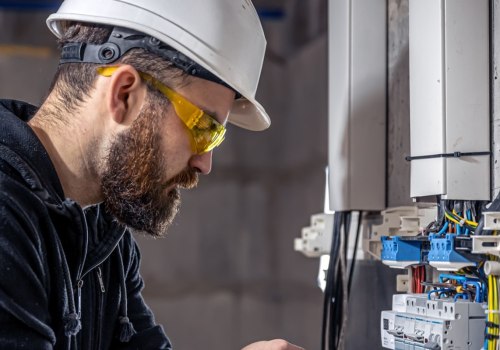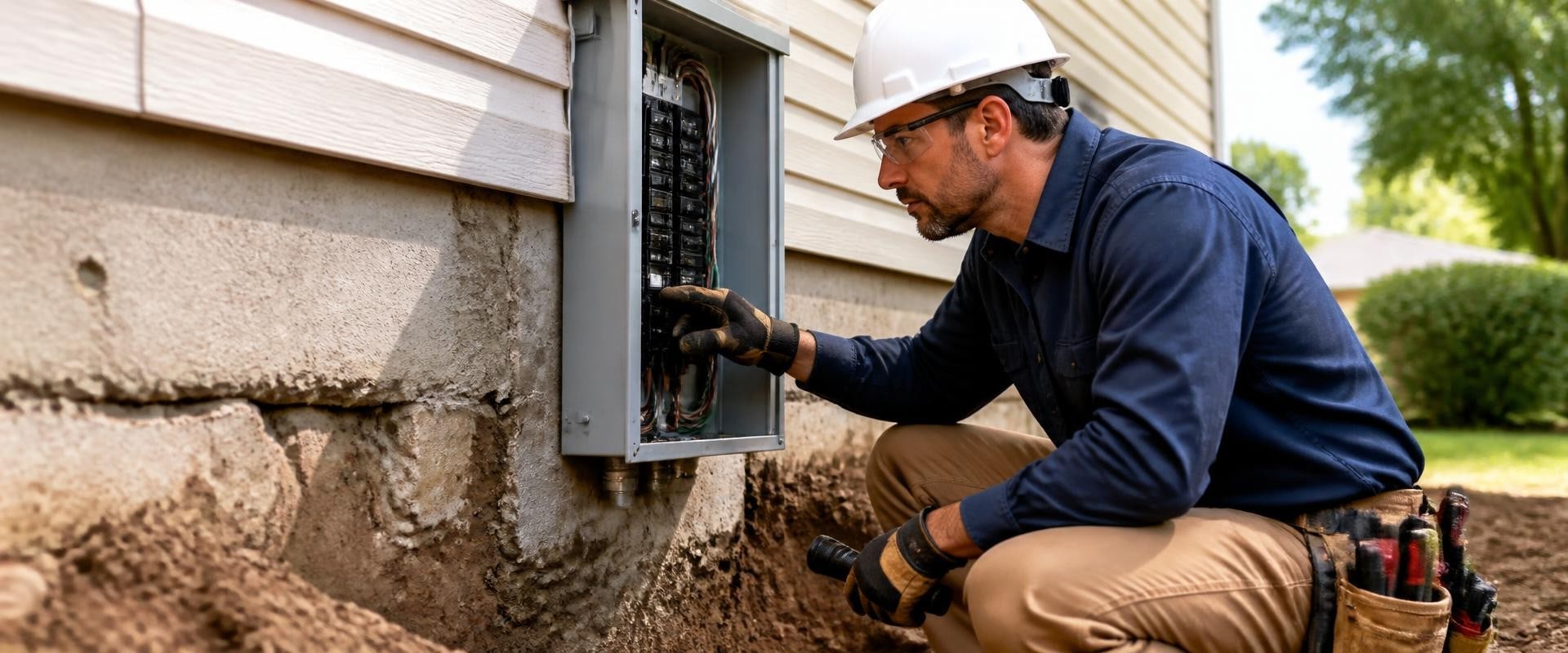
Before foundation repair begins, homeowners should make sure electrical systems near the affected areas are properly evaluated. Foundation work can involve excavation, lifting, drilling, or installing piers, all of which may take place close to electrical wiring or service lines. An electrician can help identify where wiring, conduits, panels, outlets, and underground electrical components are located before structural work starts. Knowing the location of these systems can reduce the risk of accidental damage and help foundation professionals plan their work more safely.
Check for Signs of Electrical Stress
Foundation movement can sometimes affect more than walls and floors. When a structure shifts, wiring inside walls or beneath floors may also experience stress. Homeowners should mention any electrical issues that have appeared around the same time as foundation problems. Flickering lights, loose outlets, unusual breaker activity, or electrical fixtures that no longer sit correctly against walls may deserve inspection. Before working with professionals such as Bats Foundation Repair, having an electrician examine questionable electrical components can help determine whether repairs or precautions are necessary.
Identify Underground Electrical Service
If foundation repair requires excavation around the exterior of the house, underground electrical lines should be located before digging begins. These may include service cables, outdoor lighting wiring, electrical connections to garages or sheds, pool equipment, or other exterior systems. Damage to underground wiring can create significant safety hazards and may interrupt power to parts of the property. Homeowners should make sure contractors understand where these lines are located before equipment or excavation work is introduced near the foundation.
Inspect the Main Electrical Panel
The main electrical panel may also need attention, especially if it is attached to a wall that has experienced movement. An electrician can check whether the panel remains properly secured and whether wiring entering or leaving it shows signs of strain. Foundation adjustments can slightly change the position of structural components, so identifying vulnerable electrical connections beforehand can help reduce complications during lifting or stabilization. Any outdated or damaged equipment discovered during the inspection should be addressed according to professional recommendations.
Check Wiring in Crawl Spaces and Basements
Homes with crawl spaces or basements often have visible wiring running beneath floors, along joists, or near foundation walls. These areas may also provide access for foundation repair crews. Loose, exposed, or improperly supported wiring can be vulnerable during structural work. An electrician can secure cables, repair damaged sections, and point out areas that repair crews should avoid. This is particularly important when piers, beams, or other structural components are being adjusted nearby.
Plan for Temporary Power Interruptions
Certain foundation repair activities may require temporary power shutdowns for safety. Homeowners should ask whether specific circuits or the entire electrical system may need to be turned off during portions of the project. Planning for outages can help protect appliances, computers, security systems, and other sensitive equipment. It also gives homeowners time to make arrangements for essential devices that may require continuous power.
Recheck Electrical Components After Foundation Work
Foundation stabilization can involve raising or adjusting parts of the structure, which may affect wiring, outlets, switches, or fixtures. After major foundation work is complete, an electrician may need to inspect areas that experienced significant movement. This can help confirm that connections remain secure and that no electrical components were damaged during the repair process.
Coordinate Electrical and Structural Work
Successful foundation repair often requires coordination among several trades. By discussing underground lines, panel conditions, interior wiring, temporary power needs, and post-repair inspections with an electrician beforehand, homeowners can reduce avoidable risks. Preparing the electrical system before foundation work begins helps protect both workers and the property while supporting a smoother, more organized repair process.